

One Cask Decision That Can Ruin or Refine Irish Whiskey
Irish whiskey is celebrated for its balance, clarity, and layered complexity, qualities that emerge not just from the spirit itself, but from the barrels in which it matures. Every choice a distiller makes from the type of oak to the previous use of the cask, to the combination of first-fill, refill, and finishing barrels shapes how the whiskey tastes, feels on the palate, and evolves across each sip.
Unlike spirits that rely on aggressive oak influence or bold flavour extraction, Irish whiskey is designed to unfold gracefully, offering subtlety, harmony, and approachable complexity. Understanding how bourbon, sherry, and finishing casks contribute to aroma, mid-palate richness, and finish is key to appreciating the craft behind every bottle. The interplay between cask and spirit is what allows Irish whiskey to deliver a layered tasting experience that rewards careful attention, whether enjoyed neat, on the rocks, or as part of a cocktail.
How Whiskey Cask Choices Define Irish Flavour
Irish whiskey’s triple-distilled, lighter-bodied profile is particularly sensitive to cask influence. Distillers select barrels not to overpower the spirit, but to enhance subtle sweetness, texture, and aromatic complexity.
Key cask types include:
- Ex-bourbon casks (American oak): Provide vanilla, honey, soft caramel, and subtle coconut; foundational for most Irish whiskeys.
- Ex-sherry casks (European oak): Introduce dried fruit, nuts, gentle chocolate, and mild spice, enriching the mid-palate.
- Finishing casks (rum, port, wine, or specialty barrels): Deliver secondary flavour layers and aromatic nuance without overwhelming the base.
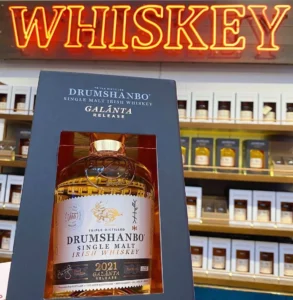
For instance, the bourbon cask backbone is immediately noticeable in expressions like McConnell’s Blended Irish Whiskey, where vanilla and honey on entry are perfectly complemented by mid-palate layering from sherry casks. Similarly, Drumshanbo Galanta Single Malt Irish Whiskey demonstrates how finishing barrels can subtly add spice and aromatic nuance without overshadowing the primary flavour profile.
In all cases, cask selection dictates how flavours evolve from the first sip to the lingering finish, reinforcing why Irish whiskey consistently favours balance over bold wood character.
Ex-Bourbon Casks
American oak ex-bourbon barrels are lightly charred and often reused, providing predictable extraction and stable flavour development. Bourbon casks form the backbone of many Irish whiskeys, imparting sweetness, texture, and gentle spice that complement the spirit’s clarity.
Flavour and structural contributions:
- Vanilla and honey: a smooth and approachable entry
- Soft caramel and light coconut: adds mid-palate body and mouthfeel
- Mild spice: warmth without harsh tannins
Cask management techniques:
- First-fill barrels: richer extraction, fuller mid-palate body
- Refill barrels: subtle influence, maintaining clarity and balance
This balance is evident in Drumshanbo Galanta Single Malt Irish Whiskey, where bourbon-aged notes of vanilla and soft caramel form a creamy foundation, setting up the mid-palate complexity that is later enhanced by finishing barrels. Even served on the rocks, these bourbon cask characteristics remain identifiable and harmonious.
Ex-Sherry Casks – Mid-Palate Complexity
Sherry casks, typically European oak seasoned with Oloroso or Pedro Ximénez, are selected to add mid-palate depth, aromatic richness, and subtle spice. The influence is designed to complement bourbon casks rather than dominate them.
Flavour contributions:
- Dried fruits: raisins, figs, sultanas
- Nutty undertones: almonds, walnuts
- Gentle chocolate and spice
Professional tasting notes:
- Introduces layered complexity mid-palate
- Enhances aromatic richness and finish
- Encourages attentive tasting across multiple sips
In Drumshanbo Single Pot Still Irish Whiskey, sherry casks deliver a delicate dried fruit and nutty character, layered over a creamy bourbon base. The result is a whiskey that unfolds gracefully, showcasing how

Finishing Casks – Subtle Flavour Layering
Finishing barrels including rum, port, or wine casks are used for short-term maturation, typically six to eighteen months. They introduce secondary flavours and aromatic nuance, enhancing complexity without overshadowing the base whiskey.
Flavour profiles:
- Rum casks: brown sugar, molasses, tropical fruits
- Port casks: red berries, soft tannins, gentle structure
- Wine casks: mild acidity, restrained fruit, aromatic layers
For example, Drumshanbo Galanta Single Malt Irish Whiskey incorporates finishing casks to contribute subtle spice and aroma on the mid-palate and finish. Similarly, McConnell’s Blended Irish Whiskey shows how finishing barrels can enhance aromatic complexity without disturbing the balance established by bourbon and sherry casks.
First-Fill vs Refill Casks – Controlling Flavour and Texture
Distillers strategically use first-fill and refill barrels to control extraction, texture, and flavour intensity:
- First-fill barrels: Higher extraction of vanilla, caramel, and tannins; contribute mid-palate richness
- Refill barrels: Subtle influence; maintain smoothness, clarity, and lingering finish
Tasting implications:
- First-fill barrels dominate entry and mid-palate
- Refill barrels preserve balance and smooth closure
- Enables small batch whiskey and premium blended malt to maintain harmony
First-fill bourbon barrels establish sweetness and body, while refill sherry and finishing casks provide subtle mid-palate layers, demonstrating careful control over flavour progression.
Cask Blending – Harmonizing Complexity
Blending multiple cask types ensures consistency, layered complexity, and house style.
Blending strategy:
- Bourbon casks: smooth entry, structural backbone
- Sherry casks: mid-palate richness and aromatic depth
- Finishing casks: subtle nuance and extended finish
Professional insights:
- Blending ensures whiskey bottles maintain balance across batches
- Supports whiskey cocktail recipes, neat pours, or whiskey on the rocks
- Maintains quality in blended malt whiskey types, single barrel whiskey, and premium blended malt expressions
Palate Structure – How Flavours Evolve
Cask selection dictates how flavours progress sip by sip.
Typical tasting progression:
- Entry: Bourbon casks provide vanilla, honey, soft caramel
- Mid-palate: Sherry and finishing casks introduce dried fruit, spice, and texture
- Finish: Refill barrels and blending maintain lingering, clean closure
Tasting insights:
- Encourages slow, attentive evaluation
- Highlights interplay between sweetness, aroma, and texture
- Supports structured tasting, whether neat, on the rocks, or in whiskey cocktail recipes
Evaluating Cask Influence – Expert Guidance
To fully appreciate Irish whiskey:
- Observe aroma: vanilla, honey, dried fruits, gentle spice
- Track flavour evolution from entry to finish
- Assess mouthfeel, viscosity, and integration
- Recognize layering: bourbon for body, sherry for depth, finishing barrels for nuance
This method reveals how expensive whiskey, small batch whiskey, and single barrel whiskey achieve layered complexity and balance. Understanding these cues also informs how to approach whiskey bottles, whether enjoying neat, on the rocks, or in whiskey cocktail recipes.
Conclusion
The art of Irish whiskey lies in its ability to achieve harmony without compromise. Bourbon casks provide smooth, creamy entry; sherry casks enrich the mid-palate with dried fruit, spice, and gentle depth; and finishing barrels layer in nuance without overpowering the base spirit.
Whiskeys like McConnell’s Blended Irish Whiskey demonstrate how this foundational cask strategies create a balanced, approachable experience that still carries complexity. Meanwhile, Drumshanbo Galanta Single Malt Irish Whiskey and Drumshanbo Single Pot Still Irish Whiskey show how finishing and blending choices enhance aromatic layers and textural depth, offering a sophisticated progression from entry to lingering finish.
FAQs
What types of casks are used in Irish whiskey?
Irish whiskey commonly uses ex-bourbon, ex-sherry, and finishing casks. Bourbon casks provide vanilla and caramel notes, sherry adds dried fruit and spice, and finishing barrels introduce subtle nuances.
How do cask choices affect Irish whiskey Flavors?
Cask type influences aroma, mid-palate richness, mouthfeel, and finish. Bourbon barrels create smooth, sweet entry, sherry casks add layered depth, and finishing casks refine the overall complexity.
What is the difference between first-fill and refill casks?
First-fill barrels extract more Flavors and tannins, giving body and richness. Refill barrels impart subtle influence, preserving smoothness, balance, and clarity, often used in small batch whiskey or premium blended malt.
Why is Irish whiskey smoother than other types?
Its lighter triple-distilled spirit is highly responsive to cask influence. Careful cask selection and blending emphasize harmony and layered complexity rather than bold wood Flavors.
Can finishing casks change the taste of whiskey?
Yes. Short-term finishing barrels (rum, port, or wine casks) add secondary Flavors and aromas spice, fruit, or subtle sweetness without overpowering the original spirit.
What is the role of sherry casks in Irish whiskey?
Sherry casks add mid-palate depth, dried fruit, nutty undertones, and gentle spice, complementing bourbon casks and creating a more layered, aromatic whiskey experience.
What is the difference between Irish whiskey and Scotch in terms of casks?
While both use bourbon and sherry casks, Irish whiskey often prioritizes balance and approachability, whereas Scotch may emphasize bold wood influence and stronger flavour extraction, resulting in different palate progression.
Can I taste the difference between bourbon, sherry, and finishing casks?
Yes. Bourbon casks typically provide vanilla and caramel notes, sherry casks add dried fruit and spice, and finishing barrels contribute subtle aromatic nuances. Observing the progression from entry to finish reveals how cask choice shape’s structure, mouthfeel, and balance.
-
 Craft Beer and Regular Beer gap Starts with Brewing Intent
 -
Rare Cellars Hide Grande Champagne Cognac Stories
-
Light and Full-Bodied Sparkling Wines Bring Two Taste Layers
-
Maceration Time impacts Flavour in Pink Gin Styles
-
Rare Vintage Port Wine Peak Expression of Douro Vineyards
-
Vodka and Wine showed Two Worlds of Aroma
-
Whiskey Colour Spectrum from Pale Gold to Ebony Depths
-
Gewurztraminer White Wine Reveals Floral Spice Magic
-
Pinot Noir and Merlot aroma notes mapped to clear flavours
-
Vermouth styles broken down by taste impact not wine Language


-
Christmas Cocktails You Can Make at Home
-
Sound Of Christmas Wine And Cheese?
-
A Fresh Take on New Year’s Resolutions
-
The Art of Smelling Wine Like a True Connoisseur
-
Looking for the Best Wine? Here's Where to Find It!
-
Read This Before You Buy Your Dad a Whisky.
-
Whiskey on the Rocks — Cool Choice or Flavor Mistake?
-
The Art of Pairing Wine with Indian Food
-
The Ingredients & Botanicals That Define Gin
-
Seven Days of Love — Wine for Valentine’s Week





-
Light and Full-Bodied Sparkling Wines Bring Two Taste Layers
-
Maceration Time impacts Flavour in Pink Gin Styles
-
Rare Vintage Port Wine Peak Expression of Douro Vineyards
-
Vodka and Wine showed Two Worlds of Aroma
-
Whiskey Colour Spectrum from Pale Gold to Ebony Depths
-
Gewurztraminer White Wine Reveals Floral Spice Magic
-
Pinot Noir and Merlot aroma notes mapped to clear flavours
-
Vermouth styles broken down by taste impact not wine Language
-
Gin ABV Clarity Leads to More Confident Gin Selection
-
Vodka Flavour Builds Its Identity by overpowering Notes