
Single Vineyard Wines Follow Place and Blends keeps Balance
Among red wine enthusiasts, few topics spark as much quiet debate as the difference between single vineyard red wines and blended red wines. These styles reflect distinct approaches to winemaking, structure, and taste perception. Understanding this difference is not about choosing sides; it is about learning how types of red wine behave, how they are perceived, and how they shape moments around the table.
Red wine is rarely experienced in isolation. Its texture, balance, and progression influence how flavours are noticed, how conversations unfold, and how an experience is remembered. By exploring how single vineyard and blended red wines differ and why those differences exist readers gain a framework for tasting with intention rather than assumption.
Single Vineyard vs Multi-Vineyard Red Wines
Single vineyard wines come from grapes grown in one specific vineyard or even a single plot. This allows the wine to express the vineyard’s unique soil, climate, and microclimate. Each bottle captures vintage-specific character, offering focused Flavors, defined structure, and distinct aroma profiles. Tasting these wines encourages attention to subtle layers, texture, and evolving finish, rewarding those who observe carefully.
Multi-vineyard wines combine grapes from different vineyards or regions, chosen to achieve balance, harmony, and consistency. By integrating complementary traits like acidity from one site and body from another these wines create smooth, approachable profiles. The focus is less on individual vineyard expression and more on overall integration and layered complexity.
Key Takeaways for Tasting
- Single vineyard wines: emphasize terroir, structure, and vintage identity.
- Multi-vineyard wines: highlight harmony, balance, and winemaking skill.
- Understanding vineyard sourcing helps tasters interpret Flavors, texture, and the wine’s intended experience.
Vineyard Conditions and Their Influence on Taste
Terroir including soil, climate, slope, and sunlight directly shape flavour, acidity, and texture. Single vineyard wines emphasize these characteristics, letting tasters detect subtle layers that reflect red wine heritage and history.
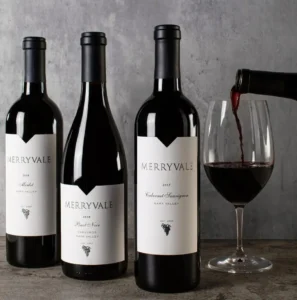
For example, tasting an Merryvale Napa Valley Cabernet Sauvignon Red Wine highlights how vineyard microclimates influence Pinot Noir taste profile, revealing delicate fruit and subtle minerality. Conversely, blended wines use grapes from different conditions to balance richness and soften tannins, as seen in Kanonkop Kadette Cape Blend Red Wine, where multiple vineyard inputs create a harmonious profile without sacrificing complexity.
Strategic tasting tips:
- Focus on subtle aroma layers in single vineyard wines
- Compare structure and integration in blends
- Observe texture, tannin, and acidity differences
This perspective links modern tasting to Malbec wine tradition and the broader history of red wine, showing how vineyard choices shape perception.
Winemaking: Expression vs Integration
Winemaking transforms grapes into a cohesive red wine experience. Single vineyard wines often use restrained techniques to preserve vineyard identity, while blends employ active composition to enhance balance and approachability.
Key factors include:
- Fermentation for flavour and tannin control
- Maceration to deepen intensity
- Oak aging for body and aroma
- Blending for integration and smoothness
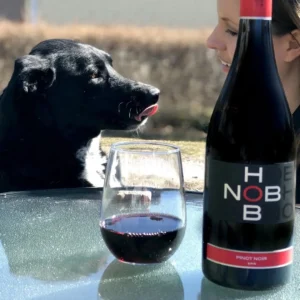
Blended red wines such as Kanonkop Kadette Cape Blend Red Wine demonstrate intentional combination, achieving balance and layered complexity. Meanwhile, Hobnob Cabernet Sauvignon Red Wine shows how extraction and oak treatment create smooth texture and approachable tannins in a blend.
By tasting with awareness of these decisions, enthusiasts can discern craftsmanship and structure while appreciating traditional red wine practices.
Single Vineyard Wines: Precision and Identity
Single vineyard wines prioritize clarity, focus, and definition. These wines often feature:
- Structured body and firm tannins
- Flavour progression that unfolds over time
- Vintage-specific character
Ironstone Pinot Noir Red Wine illustrate how a vineyard’s microclimate and soil influence every sip. Strategic tasting considerations:
- Observe flavour evolution and finish
- Note acidity and texture
- Compare with blended wines for contrast
Single vineyard wines celebrate wine heritage and red wine legacy, rewarding attention and reflection.
Blended Red Wines: Harmony and Flow
Blended red wines emphasize integration, balance, and approachability. They combine grapes from multiple sources to smooth edges and create cohesion.
Characteristics:
- Softer tannin profile
- Balanced acidity
- Seamless flavour transitions
Blends such as Hobnob Pinot Noir Red Wine highlight smooth texture, while Kanonkop Kadette Cape Blend Red Wine shows how diverse components can create layered complexity without sacrificing balance. These wines exemplify red wine culture, making complexity feel effortless.
Tasting and Appreciating Rosé Wine
Structured tasting enhances appreciation:
- Read labels for vineyard and varietal clues
- Observe colour, aroma, and mouthfeel
- Compare single vineyard with blended wines
- Track texture, balance, and evolution
Recording notes builds palate memory and allows tasters to identify how vineyard choices and winemaking influence the final wine, linking every sip to wine heritage and the broader history of red wine.
Designing Memorable Dining Through Red Wine Taste
Red wine influences how dining experiences are perceived. Single vineyard wines introduce focus and definition, drawing attention to texture, finish, and subtle nuances. Blended red wines provide continuity, allowing moments to flow smoothly and cohesively.
Strategic considerations:
- Sequence wines from structured to integrated to guide perception
- Prioritize texture and balance over boldness
- Observe flavour evolution to deepen engagement
Using wines like Ironstone Pinot Noir Red Wine and Hobnob Cabernet Sauvignon Red Wine thoughtfully enhances the experience without distraction. Similarly, blends such as Kanonkop Kadette Cape Blend Red Wine can complement structured wines, creating harmony that engages multiple senses. By considering taste behaviour, structure, and evolution, red wine becomes part of the atmosphere, elevating moments to feel intentional, refined, and memorable.
Conclusion
Single vineyard and blended red wines serve different purposes. Single vineyard wines offer precision, vintage expression, and defined structure, while blended wines provide harmony, smoothness, and layered complexity.
Approached strategically, red wine becomes more than a beverage it is a tool for crafting experience, understanding types of red wine, and exploring red wine varieties and traditional red wine styles. Knowledge, comparison, and awareness transform tasting into insight, allowing enthusiasts to fully appreciate Syrah red wine, Malbec wine tradition, Tempranillo red wine, old red wine, and the broader red wine legacy.
With intention, every sip tells a story of wine heritage, culture, and craftsmanship, connecting history to taste in a way that is both informative and memorable.
FAQs
What is the difference between single vineyard and blended red wines?
Single vineyard wines come from one defined vineyard, highlighting terroir and vintage. Blended wines combine grapes from multiple sites for balance and harmony.
Why do single vineyard wines taste different each year?
They reflect vintage-specific conditions like soil, climate, and sunlight, making each year’s wine unique.
Are blended red wines less flavourful than single vineyard wines?
Not necessarily. Blends focus on harmony and layered complexity, offering a smooth and consistent Flavors profile.
Which red wine is better for tasting experiences: single vineyard or blended?
Both have merits. Single vineyard wines highlight structure and nuance, while blends emphasize balance and approachability.
How do vineyard conditions affect red wine Flavors?
Soil type, microclimate, sunlight, and slope influence acidity, tannins, and aroma, shaping both single vineyard and blended wines.
Can blends include famous varietals like Pinot Noir or Cabernet Sauvignon?
Yes. Blended wines often combine grapes such as Pinot Noir, Cabernet Sauvignon, or Tempranillo to achieve harmony and layered complexity.
What is the best way to taste and compare single vineyard and blended red wines?
Taste side by side, observe aroma, body, tannins, and finish, and note how structure and balance differ between the wines.
Do single vineyard wines always cost more than blended wines?
Price varies. Single vineyard wines reflect specific vineyard expression, while blends focus on balance; value depends on vintage, quality, and production choices.
-
 Craft Beer and Regular Beer gap Starts with Brewing Intent
 -
Rare Cellars Hide Grande Champagne Cognac Stories
-
Light and Full-Bodied Sparkling Wines Bring Two Taste Layers
-
Maceration Time impacts Flavour in Pink Gin Styles
-
Rare Vintage Port Wine Peak Expression of Douro Vineyards
-
Vodka and Wine showed Two Worlds of Aroma
-
Whiskey Colour Spectrum from Pale Gold to Ebony Depths
-
Gewurztraminer White Wine Reveals Floral Spice Magic
-
Pinot Noir and Merlot aroma notes mapped to clear flavours
-
Vermouth styles broken down by taste impact not wine Language

-
Christmas Cocktails You Can Make at Home
-
Sound Of Christmas Wine And Cheese?
-
A Fresh Take on New Year’s Resolutions
-
The Art of Smelling Wine Like a True Connoisseur
-
Looking for the Best Wine? Here's Where to Find It!
-
Read This Before You Buy Your Dad a Whisky.
-
Whiskey on the Rocks — Cool Choice or Flavor Mistake?
-
The Art of Pairing Wine with Indian Food
-
The Ingredients & Botanicals That Define Gin
-
Seven Days of Love — Wine for Valentine’s Week



-
Light and Full-Bodied Sparkling Wines Bring Two Taste Layers
-
Maceration Time impacts Flavour in Pink Gin Styles
-
Rare Vintage Port Wine Peak Expression of Douro Vineyards
-
Vodka and Wine showed Two Worlds of Aroma
-
Whiskey Colour Spectrum from Pale Gold to Ebony Depths
-
Gewurztraminer White Wine Reveals Floral Spice Magic
-
Pinot Noir and Merlot aroma notes mapped to clear flavours
-
Vermouth styles broken down by taste impact not wine Language
-
Gin ABV Clarity Leads to More Confident Gin Selection
-
Vodka Flavour Builds Its Identity by overpowering Notes