

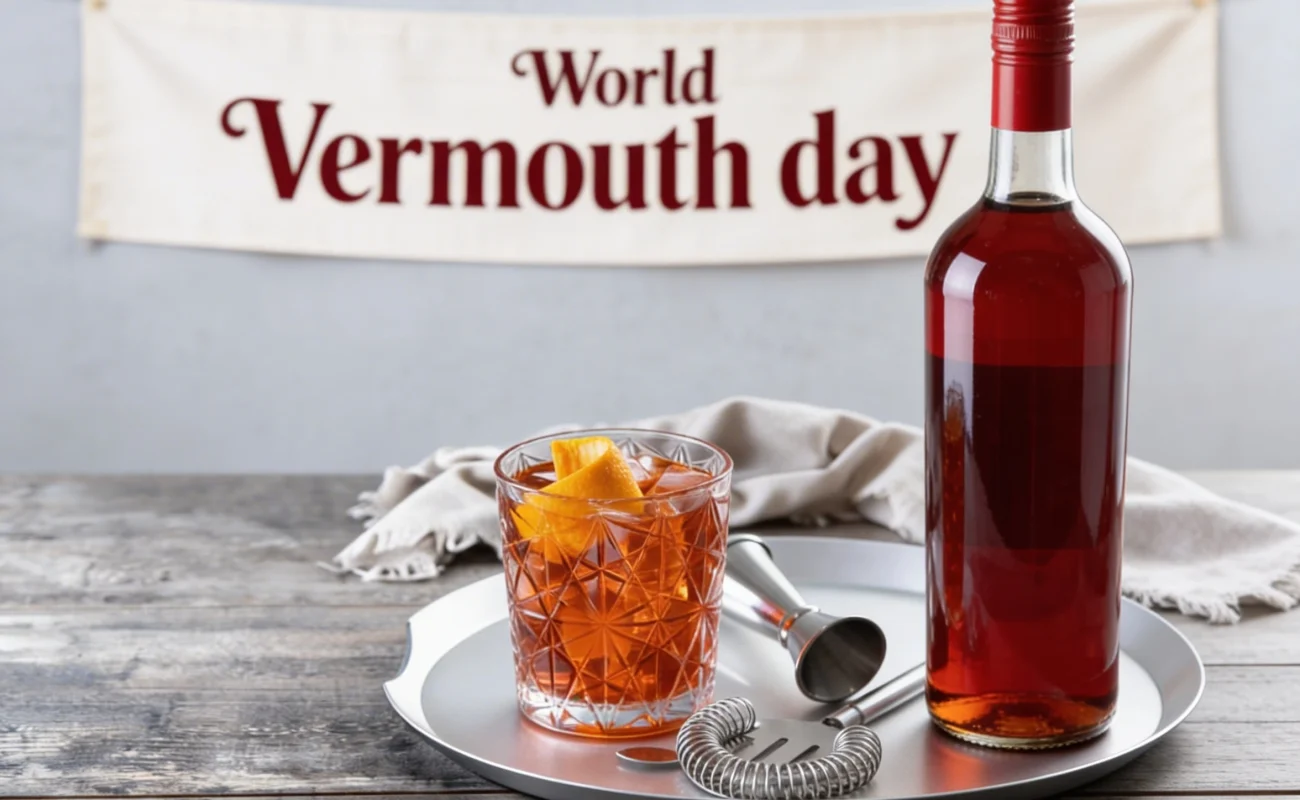
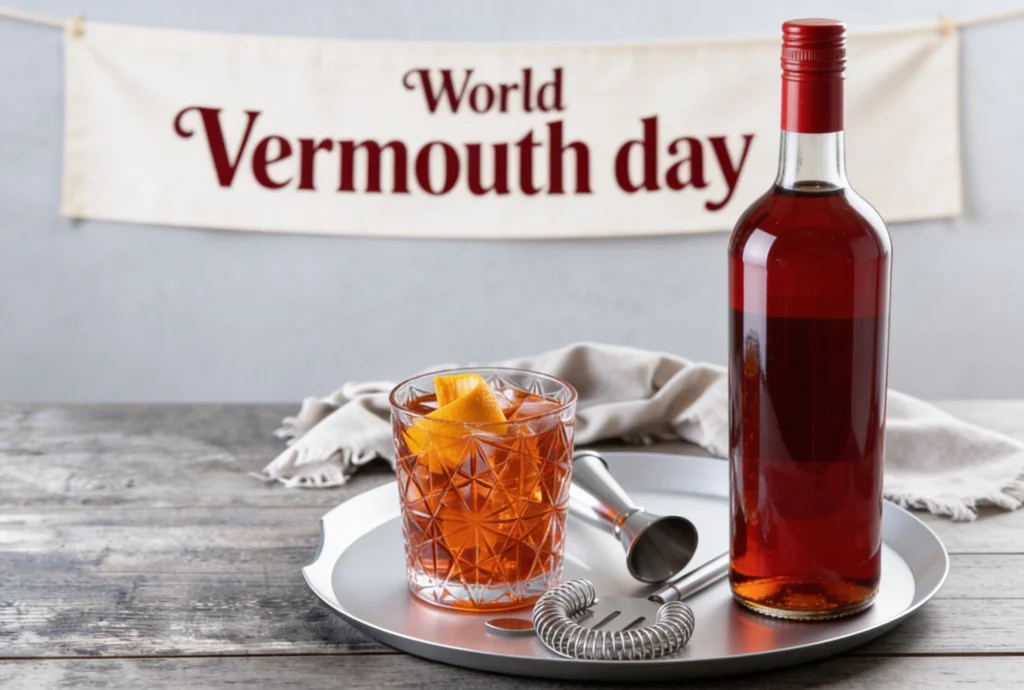
Vermouth’s Botanical Deserves spot on World Vermouth Day
Every year, World Vermouth Day draws attention to the heritage, craftsmanship, and botanical artistry behind vermouth. This globally recognized occasion celebrates the traditions and techniques that have shaped vermouth into one of the most distinctive aromatic beverages in beverage history.
The celebration is not cantered on consumption but on understanding the cultural and historical importance of this unique fortified wine. Across culinary communities and hospitality circles, vermouth is appreciated for its layered botanical composition, complex aromas, and deep historical roots.
For many wine enthusiasts and historians offers an opportunity to explore the origins of vermouth, its production methods, and the fascinating botanicals that define its character. Learning what is vermouth and how it evolved across Europe helps reveal why it continues to influence modern beverage traditions today.
What Is Vermouth
To understand what is vermouth, it is important to look at its classification as a botanical fortified wine. Vermouth begins with a base wine that is infused with a carefully selected blend of herbs, spices, roots, flowers, and citrus peels. During production, a small amount of neutral spirit is added to stabilize the wine and help preserve the aromatic botanical extracts.
Historically, one of the defining ingredients used in vermouth is wormwood. This botanical contributes gentle bitterness and helps shape the beverage’s signature flavour profile.
Because of this infusion process, a vermouth drink is known for its aromatic complexity rather than a single dominant flavour. Each producer’s botanical blend creates subtle differences in aroma, sweetness, and bitterness.
The Key Ingredients in Vermouth
Several components work together to create the distinctive identity of vermouth.
Base Wine
Wine made from neutral grape varieties forms the foundation of vermouth. This allows the botanical elements to stand out clearly.
Fortifying Spirit
A neutral spirit is added during production to strengthen the wine and preserve the botanical extracts.
Botanical Blend
The botanical mixture defines the character of vermouth. Herbs, roots, spices, and citrus peels are selected and blended to create a balanced aromatic profile.
How Vermouth Differs from Other Fortified Wines
Although vermouth belongs to the broader family of fortified wine, its production differs from other fortified beverages. While many fortified wines rely heavily on aging processes for flavour development, vermouth is defined primarily by botanical infusion.
Why Vermouth Is Considered a Botanical Wine
The infusion of numerous herbs and spices makes vermouth one of the most botanical-driven beverages in wine culture. The balance between bitterness, sweetness, and aromatic freshness creates a layered profile that has fascinated beverage makers for centuries.
The History of Vermouth and Its European Origins
Early Herbal Wine Traditions
The concept of infusing wine with herbs dates to ancient civilizations. Early herbal wines were created by adding aromatic plants to wine, creating beverages valued for their flavour and preservation qualities.
These early traditions laid the groundwork for what would eventually evolve into vermouth.
The Birth of Modern Vermouth in Italy
Modern vermouth production emerged in northern Italy during the eighteenth century. The city of Turin became the centre of innovation, where producers refined herbal wine recipes and began producing vermouth commercially.
Italian producers played a key role in shaping several of the types of vermouth recognized today.
The Rise of French Vermouth
Soon after vermouth gained recognition in Italy, French producers began crafting their own interpretations. French vermouth often emphasizes lighter botanical notes and more delicate sweetness.
The region of Chambery became particularly known for producing elegant vermouth styles that highlight herbal freshness.
Historic examples of this tradition include well-known expressions such as Dolin Dry Vermouth, which represents the refined and herbal style associated with French vermouth production.
Vermouth’s Global Expansion
By the nineteenth century, vermouth had spread beyond Europe. Its distinctive botanical character helped it become widely recognized within global beverage traditions and hospitality culture.
Types of Vermouth Celebrated on World Vermouth Day
One of the most fascinating aspects of vermouth is the diversity of styles. The different types of vermouth reflect regional traditions, botanical choices, and blending techniques.
Sweet Vermouth
Sweet vermouth, often known as rosso, is darker in colour and features rich botanical aromas. Warm spice notes, herbal complexity, and subtle sweetness define this style.
Discussions comparing sweet vs dry vermouth often begin with rosso styles because they highlight the fuller and more aromatic end of the spectrum.
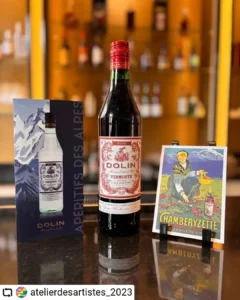
Classic examples of this style include expressions such as Dolin Rouge Vermouth, which reflects the traditional rosso style with balanced herbal depth. Similar styles among established vermouth brands demonstrate how producers interpret sweetness and spice differently.
Dry Vermouth
Dry vermouth is typically lighter in colour and contains less sweetness. Floral aromas, herbs, and citrus notes often dominate the profile.
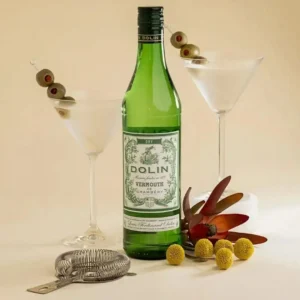
This style frequently appears in conversations about the best vermouth for martini, where dry vermouth contributes aromatic structure and balance.
Producers such as those behind Dolin Dry Vermouth continue to represent the classic dry style associated with French vermouth traditions.
Blanc or Bianco Vermouth
Blanc vermouth occupies a middle ground between sweet and dry styles. It usually maintains a pale appearance while offering gentle sweetness and floral aromatics.
A well-known representation of this style is Dolin Blanc Vermouth, which highlights the delicate herbal and floral qualities typical of Blanc vermouth.
Extra Dry and Specialty Styles
Beyond traditional styles, many producers experiment with unique botanical combinations to create specialty vermouth variations. These innovations continue to expand the diversity of vermouth around the world.
The Botanical Brilliance Behind Vermouth
The Role of Wormwood
Wormwood remains one of the defining botanicals used in vermouth production. Even in small amounts, it provides subtle bitterness that balances the sweetness and aromatics of other ingredients.
Common Herbs and Spices in Vermouth
A vermouth recipe can include dozens of botanicals. Frequently used ingredients include:
- Angelica root
- Coriander seeds
- Citrus peel
- Cardamom
- Chamomile
- Clove
- Cinnamon
These elements combine to create the distinctive aromatic structure of a vermouth drink.
Botanical Balance and Flavour
Each botanical ingredient contributes specific characteristics. Some add bitterness, others introduce sweetness or floral aromas, while spices contribute warmth and depth.
The careful balance of these elements defines the personality of each vermouth.
Secret Recipes and Craftsmanship
Many historic vermouth brands maintain closely guarded botanical recipes. These formulas are often preserved for generations, giving each producer a unique aromatic identity.
Iconic Beverage Traditions Featuring Vermouth
Over time, vermouth has become closely connected with several classic beverage preparations that highlight its aromatic complexity.
The Martini Tradition
The Martini is widely recognized for its association with dry vermouth. In discussions about the best vermouth for martini, the herbal freshness of dry vermouth is often considered essential for balancing the other ingredients.
The Negroni Tradition
Another well-known beverage tradition features sweet vermouth paired with bitter and aromatic elements. In this context, vermouth provides depth and botanical complexity.
The Manhattan Tradition
Sweet vermouth also plays an important role in the Manhattan tradition, where its herbal notes soften the intensity of whiskey and add aromatic layers.
These historical preparations are frequently mentioned when discussing classic vermouth cocktails, as they demonstrate how vermouth integrates into balanced beverage compositions.
Modern Interpretations
Contemporary beverage creators continue developing innovative vermouth cocktails that highlight vermouth’s botanical character while respecting its traditional heritage.
How People Celebrate World Vermouth Day
Educational Tasting Experiences
Many communities celebrate March 21st World Vermouth Day by organizing educational tasting sessions focused on the diversity of vermouth styles and botanical blends.
Cultural and Culinary Events
Workshops and culinary discussions often explore the heritage of vermouth production, the evolution of botanical recipes, and the regional traditions behind different vermouth styles.
Culinary Pairings
Vermouth has long been associated with food traditions. Small plates such as olives, cheeses, and Mediterranean-style dishes are often paired with vermouth in cultural settings.
Discovering Different Producers
Exploring established and emerging vermouth brands allows enthusiasts to see how producers experiment with botanicals and regional ingredients.
Vermouth in Modern Beverage Culture
The Growing Interest in Botanical Beverages
Modern beverage culture increasingly values aromatic complexity and botanical ingredients. Vermouth fits naturally within this trend because of its layered herbal profile.
Craft Vermouth Revival
Artisanal producers around the world are now creating new interpretations using local herbs and distinctive botanical combinations. This craft movement continues to expand the diversity of vermouth.
Professional Appreciation for Vermouth
Bartenders and beverage professionals often appreciate vermouth for its ability to bring balance and aromatic structure to classic and modern vermouth cocktails.
Tips for Selecting and Storing Vermouth
Choosing Quality Vermouth
Understanding the various types of vermouth helps enthusiasts appreciate the different flavour profiles available across traditional styles.
Storage Practices
Because vermouth is wine-based, storing it in cooler conditions after opening helps maintain its aromatic freshness.
Shelf-Life Considerations
Proper storage practices help preserve the delicate botanical Flavors that define vermouth’s identity.
Conclusion
The celebration of World Vermouth Day recognizes the remarkable heritage behind vermouth. From its origins in herbal wine traditions to its influence on modern beverage culture, vermouth represents a unique blend of winemaking expertise and botanical craftsmanship.
Solis Group quality imported Vermouth can open new possibilities for memorable dining experiences. Reach out to us to learn more about potential business collaborations.
Through cultural events, educational experiences, and appreciation of craftsmanship, World Vermouth Day continues to highlight the botanical brilliance that makes vermouth one of the most fascinating aromatic wines in global culinary history.
FAQs
What is vermouth made from?
Vermouth is a type of fortified wine made from base wine infused with herbs, spices, roots, and citrus peels. These botanicals give vermouth its distinctive aromatic and slightly bitter flavour profile.
Why is World Vermouth Day celebrated?
World Vermouth Day celebrates the history, craftsmanship, and botanical artistry behind vermouth. The day highlights its cultural heritage and its role in global beverage traditions.
What are the main types of vermouth?
The most common types of vermouth include sweet (rosso), dry, and Blanc styles. Each type differs in sweetness level, colour, and botanical intensity.
What is the difference between sweet vs dry vermouth?
The comparison of sweet vs dry vermouth mainly comes down to flavour and sugar content. Sweet vermouth has richer spice and caramel notes, while dry vermouth is lighter and more herbal.
What is French vermouth known for?
French vermouth is traditionally associated with a lighter, more delicate botanical style. It often emphasizes herbal freshness and subtle citrus notes.
Is vermouth used in cocktails?
Yes, vermouth is a key ingredient in many classic vermouth cocktails. Its botanical complexity helps balance other ingredients and adds aromatic depth to beverage recipes.
Can vermouth be served on its own?
Vermouth has long been enjoyed as an aromatic aperitif-style beverage. It is often served chilled with simple garnishes that highlight its herbal aromas.
How should vermouth be stored after opening?
Because vermouth is wine-based, it should be stored in a cool place after opening. Proper storage helps maintain the freshness and botanical character of the beverage.
-
 Vermouth’s Botanical Craft Deserves Attention on World Vermouth Day
 -
 International Riesling Day Honors the Iconic Riesling Wine
 -
 Celebrate Holi with Gin cocktails and Fearless Colours
 -
 Irish Whiskey rise from Global Lounges to Curated Shelves
 -
 Your Cognac Obsession Starts when You Discover the Six Crus
 -
 Air Steals Bold Character from Single Malt Whiskey Bottles
 -
 We Ditched Wine this Valentine Week for Pink Gin
 -
 Surprise Your Valentine with Roses and Rosé Champagne
 -
 Wine Turns Valentine Week into a Test of Social Chemistry
 -
 India-EU Free Trade Agreement Signals Big Moment for Imported Wine
-
 Christmas Cocktails You Can Make at Home
 -
 Sound Of Christmas Wine And Cheese?
 -
 A Fresh Take on New Year’s Resolutions
 -
 The Art of Smelling Wine Like a True Connoisseur
 -
 Looking for the Best Wine? Here's Where to Find It!
 -
 Read This Before You Buy Your Dad a Whisky.
 -
 The Art of Pairing Wine with Indian Food
 -
 Whiskey on the Rocks — Cool Choice or Flavor Mistake?
 -
 The Ingredients & Botanicals That Define Gin
 -
 Seven Days of Love — Wine for Valentine’s Week
-
Vermouth’s Botanical Craft Deserves Attention on World Vermouth Day
-
International Riesling Day Honors the Iconic Riesling Wine
-
Celebrate Holi with Gin cocktails and Fearless Colours
-
Irish Whiskey rise from Global Lounges to Curated Shelves
-
Air Steals Bold Character from Single Malt Whiskey Bottles
-
We Ditched Wine this Valentine Week for Pink Gin
-
Wine Turns Valentine Week into a Test of Social Chemistry
-
India-EU Free Trade Agreement Signals Big Moment for Imported Wine
-
 Single Vineyard Wines Follow Place and Blends keeps Balance
 -
 One Cask Decision That Can Ruin or Refine Irish Whiskey